Showing posts with label Greasy Asylum. Show all posts

Thursday, June 17, 2021

1969/1970: Going out in the midday sun

Wearing a crown and all the things

Barry and Maurice Gibb filming Cucumber Castle.

By 1969, as the hard times passed through, the Bee Gees had the idea to make a film. Based in the song Cucumber Castle, the concept of the film revolves into three heirs, Prince Frederick (Barry Gibb), Prince Edmund (Robin Gibb), and Prince Marmaduke (Maurice Gibb), and their dying father, the King (Frankie Howerd). The King orders his kingdom divided into three parts, the Kingdom of Jelly, Kingdom of Pudding and the Kingdom of Cucumbers. Before the king dies, Prince Frederick declares himself the "King of Cucumber", Prince Marmaduke becomes the "King of Jelly", and Prince Edmund becomes the "King of Pudding".

The film has several cameo appearances, such as the artists Lulu and Blind Faith, and also The Who's Roger Daltrey, Donovan, Rolling Stone Mick Jagger and his then-girlfriend, Marianne Faithfull. Cucumber Castle contains comedy sketches from the Bee Gees along with performances by Lulu, Blind Faith, and the Bee Gees themselves.

In the studios, things have been gone smoothly, except maybe for the drummer Colin Petersen, who was fired during the sessions. He was replaced by session drummer Terry Cox, who played in the remaining tracks. During the same time, the Bee Gees found themselves in several contemporaneous activities to the album, such as producing music to other artists, and fired Petersen, a decision later regretted by Robin.
"There were many things going on at that time. Similar to the other year too. But this time there were more people that we were helping, Samantha Sang, P.P. Arnold, Tin Tin, and then we agreed on fire Petersen? That was quite stupid, thinking now."

-Robin Gibb

By September, the group returned to the studios to finish the recording sessions, and the things weren't seem to be going on as previously. The brothers lost the enthusiasm, starting to drift apart when the album was finished, putting the band in a hiatus for a year, and then, each one would record a solo record at the same time.

"We lost our inspiration by doing... really ambitious stuff. I realised that when we finished the album. Tours, two concept albums, a goddamn movie and other artists. That was too much in two years, and we lost two members in less than a year. Everything there bummed us a lot, so we decided to stop being the Bee Gees for a while."

-Barry Gibb

The album was titled Cucumber Castle, even though the film wasn't released yet, and the track that the film was based on wasn't in the track list either. Don't Forget to Remember, Tomorrow Tomorrow, and Saved By the Bell were previously released as singles to become three of the Bee Gees' greatest hits by the end of the 1960s. Critics praised the songwriting from the brothers in general.

Bee Gees – Cucumber Castle
Bee Gees - Cucumber Castle (1970)
Genre: Baroque pop, folk rock, country folk
Total: 37:40
All songs written and composed by Barry Gibb, Robin Gibb & Maurice Gibb, except when noted.

Side A - 18:47
1. "If Only I Had My Mind On Something Else" - 2:33
2. "Tomorrow Tomorrow" - 4:05
3. "August October" (Robin Gibb) - 2:31
4. "Saved By the Bell" - 3:06
5. "Bury Me Down the River" (Barry Gibb, Maurice Gibb) - 3:25
6. "The Loner" (M. Gibb, Billy Lawrie) - 3:07

Side B - 18:53
7. "I Was The Child" - 3:14
8. "Railroad" (M. Gibb, Lawrie) - 3:37
9. "One Million Years" (R. Gibb) - 4:05
10. "My Thing" - 2:20
11. "Weekend" (R. Gibb) - 2:10
12. "Don't Forget to Remember" - 3:27

Cucumber Castle is the seventh studio album by the Bee Gees, produced by themselves and by their manager Robert Stigwood. The album consists of some songs composed as the soundtrack of their television special with the same name, being based in the song of the same name on their debut album. It was the last Bee Gees album featuring drummer Colin Petersen, and the last Bee Gees album before the short hiatus between late 1969 and mid 1970.

The record was released in 18 April 1970, as the Bee Gees were finishing their solo records, and still before the premiere of their television special. Considered a hit-driven album, three of the songs included in the album were incredibly successful, being regarded as some of their finest. Cucumber Castle peaked in number 2, displaced by The Beatles' Get Back, while it reached number 16 in Billboard 200.

Bee Gees' Cucumber Castle received mixed to positive reviews, being regarded as a faithful follow-up to the magnum opus The City in the Black Sea. Still, the unexpected hiatus of the band ended up affecting the album sales. One critic at the time regarded that the Bee Gees were a "hit-making machine, but also a very ambitious and unstable group".

Going good with the soul

The Beach Boys during Halloween, ca. 1969~70.

The release of 20/20 saw the popularity of the Beach Boys declining towards the 1970s. Even though Smiley Smile and Wild Honey were generally regarded as memorable records, the audience was consistently diminishing and the tours were generally regarded as 'underwhelming' and 'old-fashioned'. 20/20 became their second lowest-selling album at the time, and the group was amidst a lawsuit against Capitol for unpaid royalties.

By 1969, the mental conditions of Brian Wilson, whose reclusiveness and eccentric behavior were getting worse, since he began to use cocaine. Brian's behavior heavily affected his reputation in music industry, and to a lesser extent, the band found the distribution of their albums severely compromised as various labels deemed the band too risky to sign. The band's manager Nick Grillo was trying to negotiate with international labels, as the popularity from the band seemed higher than in the United States.
"I find it kinda bizarre when we are referred as America's Band by Mike. In the late 60's, nobody there wanted to listen to that 'Beach Boys bullcrap', even after Smiley Smile and Wild Honey, but a lot of people preferred us outside the United States, where we mostly went. The thing is, the audience liked all the albums, and expected music from and like both albums, but Mike wanted to stay with the surf stuff, as it was already out-of-fashion. Nobody liked that same surf-cars-girls-thing in the late 60s. Jack [Rieley] really opened my eyes about that."

 -Dennis Wilson, 2003

In late 1969, a deal was signed between The Beach Boys, Brother Records, and Island Records, arranged by manager Grillo. The contract stipulated Brian's proactive involvement with the band in all albums. And a wave of optimism and inspiration reached the band, which recorded a lot of material between November 1969 and January 1970.

In February 1970, the forthcoming album, Add Some Music to Your Day, was submitted to Island Records, and announced in March 1970. The title track was release as the promotional single, which would be well-received by the critics and by the fans of the band. It peaked in number 32 in Billboard Hot 100. The band started a campaign with the same name of the album and title track for the development of music in school.

"We have to thank a lot to Island Records to help to re-establish us in the United States. The thing is that we weren't that bad in music sales at all, the main problem was how tarnished our reputation was by that time. I mean, in one hand we had Brian and his drug problem, in the other hand, and the view that the general public had of the band was that we were stuck in the 1960s, using the same wardrobe, performing songs about love, cars and all that stuff, you know?"

 -Carl Wilson, 1990

The Beach Boys – Add Some Music To Your Day
The Beach Boys - Add Some Music To Your Day (1970)
Genre: Rock, progressive pop
Total: 39:55

Side A - 18:47
1.
"Slip on Through" (Dennis Wilson) - 2:17
2. "Susie Cincinnati" (Al Jardine) - 2:57
3. "Got To Know The Woman" (D. Wilson) - 2:41
4. "It's About Time" (D. Wilson, Bob Burchman, Jardine) - 2:55
5. "This Whole World" (Brian Wilson) - 1:56
6. "Soulful Old Man Sunshine" (B. Wilson, Rick Henn) - 3:27
7. "All I Wanna Do" (B. Wilson, Mike Love) - 2:34

Side B - 21:08
8.
"Take a Load Off Your Feet" (Jardine, B. Wilson, Gary Winfrey) - 3:27
9. "Tears In The Morning" (Bruce Johnston) - 4:07
10. "At My Window" (Jardine, B. Wilson) - 2:30
11. "Add Some Music To Your Day" (B. Wilson, Joe Knott, Love) - 3:34
12. "Deirdre" (Johnson, B. Wilson) - 3:27
13. "Where is She?" (B. Wilson) - 2:21
14. "Forever" (D. Wilson, Gregg Jakobson) - 2:40

Add Some Music To Your Day is the fifteenth studio album by the Beach Boys. The production is credited to the band, and released in 6 April 1970 by the Brother/Island Records, the first one under the label. Recorded and produced during a hard time for the band, the album sold better than 20/20, however, it sold poorly compared to the band's standards. The album had working names such as Reverberation and The Fading Rock Group Revival.

The recording sessions for the album began in January 1969, being completed a year later, in 1970. During this process, the band was struggling to search for a new record contract, signing with Island, and completing the album by January. Along with 20/20 and Landlocked, Add Some Music To Your Day is part of the stage where drummer Dennis Wilson was emerging as a creative force in the group, symbolised by the success of the single Forever.

In contemporaneous reviews, the album received favourable reviews, although it sold poorly compared to their previous albums (except for 20/20). It reached number 15 in Billboard 200 and number 2 in UK Album Charts intermittently for a few weeks. In later years, the album would be re-evaluated by the fans and the general public, and considered a favourite by the fans of the Beach Boy Golden Age.

The singles released by the group were the title track, receiving favourable reviews, Slip On Through, failing to chart either in the US and UK, and the two hits, All I Wanna Do, considered a precursor do chillwave and shoegaze, peaking in number 15 in Billboard Hot 100, number 3 in Billboard Hot Rock Singles, and number 7 in UK Single Charts, and Forever, reaching number 4 in Billboard Hot 100, and topping UK Singles Charts.

Aftermath

With the release of Add Some Music To Your Day, the band was seeking to re-establish themselves as a powerful force in the United States once again. In July 1970, Brian closed his health food store called Radiant Radish, and in the same day, he would met someone that would help the Beach Boys into reinvigorate themselves at the verge of the 1970's.

Bruce Johnston and Jack Rieley.

Jack Rieley was a record producer, songwriter and disc jockey based in North Hollywood, who gave space to the Beach Boys in his show on July 29, 1970. A week later, Rieley would send a six-page memo that explained how to stimulate "increased record sales and popularity". At instigation of Mike Love and Bruce Johnston, the co-manager Fred Vail is replaced by Rieley, beginning a new era for the band.
"It has been quite since... late '68 I've seen the Beach Boys declining at that time, and Brian rambling about the band's problems during that interview only confirmed my suspicions. The band seemed unsatisfied with the charts, the audience dissipating from their shows, and Fred was not helping, according to Mike and Bruce. The band needed to be revitalised."

 -Jack Rieley

Don't put a price on my soul (Greasy Asylum)

Joe Cocker, 1970.

At the time, the Greasy Asylum fulfilled their contract with Apple Records due to problems with Allen Klein, moving to EMI in the United Kingdom, who would distribute Shelter Records in the country and in Europe. The decision was personally and privately supported by Paul McCartney, who was against Allen's administration of the label.

In September 1969, the group began to record their third album at Abbey Road Studios, but some members in the group wanted more space in the albums. "Until Delta Lady, the vocals were just Joe and me, sometimes Marc [Benno], then Henry shared us his songs as he wanted to sing something, and we've agreed. I see Greasy Asylum something more like a collective group, instead of a band, so everybody was open to contribute besides us. I didn't like the spotlight anyway.", Leon Russell.

The group would have the album finished by January 1970, leaving to Denny Cordell and Glyn Johns to mix the album. By March, Leon Russell would recruit a large number of musicians and backing vocalists from his association with Delaney & Bonnie. The tour's name was Mad Dogs & Englishmen, which the live album and the documentary name's were based on. The most remarkable concert was at Filmore East, recorded in the live album.

During the tour, EMI would announce and release the band's third album Hello, Little Friend, seeking capitalise from the tour's success. Feelin' Alright would be released as single reaching number 33 in US charts, backed by the title track. The single would be received with a warm reception by critics and the public, becoming another song performed during Joe Cocker's tours post-Greasy Asylum.
"People saw Russell and Cocker as the masterminds behind Greasy Asylum, but Cocker was the real frontman on the gigs. Leon appeared once or twice because he also sang, but Joe Cocker had an unique performing style onstage, playing air guitar, waving idiosyncratically to the song, and the audience liked him because of that. Greasy Asylum was mostly formed by unique people there."

-Denny Cordell, 1989

Greasy Asylum – Hello, Little Friend
Greasy Asylum - Hello, Little Friend (1970)
Genre: Blues rock, roots rock, folk rock
Total: 44:16

Side A - 22:47
1. "Dear Landlord" (Bob Dylan) - 3:23
2. "My Baby Left Me" (Arthur Crudup) - 3:06
3. "Shoot Out on the Plantation" (Leon Russell) - 3:13
4. "Feelin' Alright" (Dave Mason) - 4:10
5. "Mistake No Doubt" (Henry McCullough) - 4:20
6. "I Shall Be Released" (Dylan) - 4:35

Side B - 21:29
7. "Give Peace a Chance" (Russell, Bonnie Bramlett) - 2:23
8. "Hitchcock Railway" (Don Dunn, Tony McCashen) - 4:41
9. "Roll Away the Stone" (Russell, Greg Dempsey) - 3:10
10. "Prince of Peace" (Russell, Dempsey) - 3:05
11. "Hello, Little Friend" (Russell) - 3:52
12. "To the Lord" (McCullough) - 4:18

Hello, Little Friend is the third studio album by the British-American band Greasy Asylum. The album was produced by Danny Cordell and Glyn Johns, and released on 24 April 1970 by Shelter Records in the United States, and distributed by EMI Records in the United Kingdom. The album features the debut songs and vocals of Henry McCullough, and it is the first one after leaving Apple Records.

Still in Greasy Asylum, Hello, Little Friend would consolidate Joe Cocker as a standards singer rather than a singer-songwriter, and as the lead vocalist of the group. A few songs of the album would be part of the set of Joe Cocker's future tours, such as Hitchcock Railway and the hit single Feelin' Alright. The album would reach number 6 in UK Album Charts and number 22 in Billboard 200. It would be eventually overshadowed in the band's catalogue by the live Mad Dogs & Englishmen, released in August.

Aside from good critics, the album is generally regarded as the lowest-selling album of Greasy Asylum, thanks a combination of the hype for the band slightly diminishing, little to no promotion of the album (the campaign to associate it with the Mad Dogs & Englishmen failed), and few differences to the predecessor, Delta Lady.

Sources:
Bee Gees - Cucumber Castle:
  • Bee Gees - Cucumber Castle
  • Bee Gees - Tales from the Brothers Gibb
  • Robin Gibb - Robin's Reign
The Beach Boys - Add Some Music to Your Day:
  • The Beach Boys - Sunflower
  • The Beach Boys - Surf's Up
  • The Beach Boys - 15 Big Ones
  • The Beach Boys - Endless Harmony Soundtrack
  • The Beach Boys - Hawthorne, CA
  • The Beach Boys - Made in California
Greasy Asylum - Hello, Little Friend:
  • Joe Cocker - Joe Cocker!
  • Leon Russell - Leon Russell (1970)
  • The Grease Band - The Grease Band (1971)

Friday, June 4, 2021

1969: Woodstock

Regarding Woodstock...

Yes, Woodstock is here too! 1969.

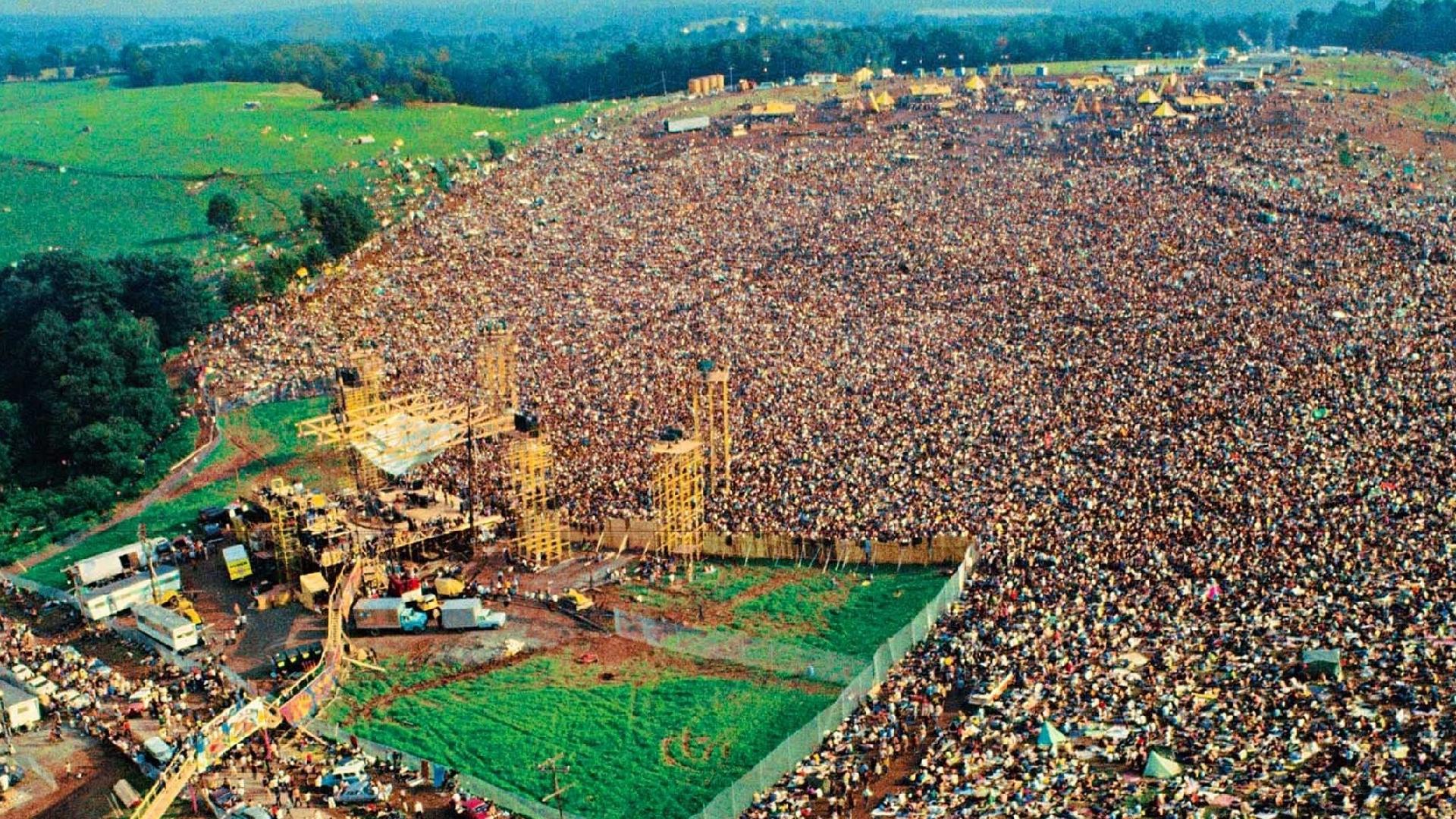
For Blackhill, August of 1969 was certainly a month of defining events. From the tour including Pink Floyd Sound, Syd Barrett, and Tailboard, which carried to the eventual crisis in the company during the 70s, to the Woodstock and Isle of Wight Festivals for promoting the artists, certainly, August 1969 was the month that transformed the company into a gateway between the underground and the mainstream.

Right before the Pink Floyd Sound/Syd Barrett/Tailboard tour begun, Blackhill negotiated some of their artists to perform in the Woodstock Festival, as did with the Isle of Wight. "The negotiations with... the Foulk Brothers were far more organized than the Woodstock one. I really can barely say if there was any negotiation with the Woodstock organizers since everything seemed so improvised.", Keith Noble.

In the end, Soft Machine, Edgar Broughton Band, Tailboard, and initially, Syd Barrett agreed to perform (declining to perform one day before the concert). David Bowie declined the idea since he was working on his upcoming album as did Pink Floyd Sound (although both performed later on the Isle of Wight Festival).
"Well, I was up to perform in the Isle of Wight, and I was preparing myself for the tour with the Floyd, and then, two weeks before, Drew [Andrew King] asked if I was going to perform in the Woodstock Festival and I agreed with that. I was scheduled for Sunday, so I had a good ammount of time to think about that decision, even if I was in NY at the time *laughs*. And honestly, until today I feel pity for Kevin and Robert, they didn't like large audiences and had to deal with a shit-ton of people. Actually, they influenced me to decline to perform. Tailboard seemed chilled about that, though."
 -Syd Barrett, 1984
Robert Wyatt leaving the stage in Woodstock.

Soft Machine was billed for the Saturday, right after Santana. When the band first arrived on stage, it was noticed a massive amount of people cheering the newcomers, shocking Kevin Ayers. "So, I didn't know about the audience until we went to the festival... When we were backstage, Robert just said to me to not see the outside, otherwise, I was going to panic. He was quite right, I panicked. But Daevid [Allen] handled the entire thing, so I chilled out a little bit.", said Ayers.

The performance of Soft Machine ended up being shorter, rearranging the setlist right on stage. The band decided to focus on Daevid's songs and instrumentals, including songs that weren't released at the time, such as Esther's Nose Job and Lunatics Lament. After the performance, Soft Machine attended a meeting with Jimi Hendrix back in New York, and then returned to England.

Tailboard's Woodstock was... different. The group was recently formed, and Woodstock was their first relevant performance, although, the band was billed to perform right after Crosby, Stills, Nash & Young. The group performed their entire (then unreleased) album, plus A Summer Song. According to the frontman Keith Noble, the crowd was very receptive to the band, even though it was 5 a.m. when they arrived on stage. In backstage, the band talked with CSN&Y, and the jazz group, Blood, Sweat & Tears. Tailboard would return to England on Wednesday.

Joe Cocker playing his well-known "air guitar" on stage.

Greasy Asylum was billed as the first band to perform on the daytime Sunday, arriving on stage 2:00 p.m. and performing throughout one and a half hours a big set consisting of tracks from Look Inside the Greasy Asylum and Delta Lady, two medleys and cover renditions of Joe Cocker and Leon Russell. The performance of Greasy Asylum is considered by many as one of the highlights of the festival, along with Jimi Hendrix, Creedence Clearwater Revival, and many others.

A few days ago, Delta Lady was released as the second Greasy Asylum's studio album by Shelter Records and distributed by Blue Thumb Records in the United States, as a way intended to promote the band with the Woodstock Festival. The strategy was effective since Delta Lady managed to be ranging between positions 43 and 45 for three months on Billboard. "It was Blue Thumb's idea, not ours. We've just agreed since we had a contract.", Leon Russell.

The Woodstock Festival served as a stair to bands such as the Greasy Asylum, becoming one of their most remarkable shows. Even though members expressed bitter feelings towards the audience, it was a consensus that the performance was pretty enjoyable to everyone, despite Cocker's reluctance to venture again after that year. "As I said, 1968 and '69 were pretty intense, but Woodstock was like an eclipse ... it was a very special day.", Joe Cocker.

Soft Machine, Live in Woodstock, August 15th, 1969
Setlist
1. "Memories" (Hugh Hopper)
2. "Hope for Happiness" (Kevin Ayers, Ratledge, Brian Hopper)
3. "You Don't Remember" (Daevid Allen, Robert Wyatt)
4. "I Should've Known" (Ayers, Ratledge, Wyatt, Allen, H. Hopper)
5. "5 and 20 Schoolgirls" (Allen)
6. "A Certain Kind" (H. Hopper) [sung by Daevid Allen]
7. "We Did It Again" (Ayers)
8. "Gong Song" (Allen)
9. "Esther's Nose Job" (Ratledge, Wyatt, H. Hopper)
10. "Lunatics Lament" (Ayers, Allen)
11. "Rational Anthem" (Allen)
12. "Magick Brother" (Allen)
13. "Why Are We Sleeping/Once I Awakened" (Ayers) [sung by Kevin Ayers and Daevid Allen]
14. "Singing a Song in the Morning" (Ayers)

Greasy Asylum, Live in Woodstock, August 17th, 1969
Setlist
1. "Dear Landlord" (Bob Dylan) [JC]
2. "Something's Coming On" (Joe Cocker, Chris Stainton) [JC]
3. "Delta Lady" (Leon Russell) [JC/LR]
4. "Feelin' Alright" (Dave Mason) [JC]
5. "Crystal Closet Queen" (Russell) [LR]
6. "Let's Go Get Stoned" (Nickolas Ashford, Valerie Simpson) [JC]
7. "Dixie Lullaby" (Russell, Stainton) [LR]
8. "Medley: Jumpin' Jack Flash/Young Blood" (Mick Jagger, Keith Richards, Jerry Leiber, Mike Stoller, Doc Pomus) [JC/LR]
9. "Hitchcock Railway" (Don Dunn, Tony McCashen) [JC]
10. "Something to Say" (Cocker, Peter Nichols) [JC]
11. "Medley: Of Thee I Sing/Yes I Am" (Don Preston, Russell) [LR]
12. "With a Little Help from My Friends" (John Lennon, Paul McCartney) [JC]
[JC] = Joe Cocker
[LR] = Leon Russell 

Tailboard, Live in Woodstock, August 18th, 1969
Setlist
All tracks composed and performed by Keith Noble, except when noted.
1. "Mr. Compromise"
2. "Narcissus"
3. "Secretary Jane"
4. "Red-Current Tide"
5. "Up and Down Way (of It All)"
6. "Only When I Laugh"
7. "Dandelions Have Their Day"
8. "Weather"
9. "King of the Icemen"
10. "Ashes and Silver"
11. "A Summer Song" (Keith Noble, David Stuart)

Tuesday, June 1, 2021

1969: All This Crazy Gift of Time

From the past!

Pink Floyd a few years back, performing as Sigma 6, 1963.
"Out of all years, one of the most strangest ones was 1969. I mean, I accidentally met Clive [Metcalfe] and Keith [Noble] during a walk in the park. And then, a few weeks later, there was me, David, Rick and Nick producing their album, their try to reach the stardom. Oh, and Rado [Klose] was there too, doing his guitar work as usual."
-Roger Waters, 1976
The meeting between Roger and his two former bandmates led to the entry of both to the Blackhill Records. At the time, Clive and Keith Noble were reforming their duo into a band, searching for a drummer and another guitarist. Roger suggested Rado Klose, who just returned from the military service and Willie Wilson, who recently left Tyrannosaurus Rex. The group was formed under the name of Tailboard. Andrew King was appointed as the manager of the band, leaving Steve O'Rourke to Pink Floyd and Peter Jenner to Syd Barrett.

Tailboard:
Keith Noble - lead vocals, acoustic guitar
Rado Klose - lead guitar
Clive Metcalfe - bass guitar, violin
Willie Wilson - drums, percussion

Tailboard started to perform as the backing band to Syd Barrett (joined by Egg's keyboardist Dave Stewart), sometimes performing their own acts with Keith Noble. "Tailboard was like the second half of Pink Floyd, an amalgam of previous incarnations of former members into one, solid ball.", Roger Waters. Through the second half of 1969, Syd Barrett and Tailboard (billed as Syd Barrett & Tailboard) joined Pink Floyd on a tour through the United Kingdom and Europe, rising their popularity on the Old World.

Dutch poster promoting a concert of Pink Floyd/Syd Barrett/Tailboard tour, 1969.

Pink Floyd, Syd Barrett & Tailboard
Setlist (excerpt from Antwerp, Belgium; September 30th, 1969):
Syd Barrett & Tailboard
1. "Clowns and Jugglers" (Syd Barrett)
2. "Here I Go" (Barrett)
3. "Mr. Compromise" (Keith Noble)
4. "Apples and Oranges" (Barrett)
5. "Up and Down Way" (Noble)
6. "Golden Hair/Terrapin" (Barrett, James Joyce/Barrett)
7. "Weather" (Noble)
8. "Arnold Layne" (Barrett, David Bowie)
9. "Only When I Laugh" (Noble)
10. "See Emily Play" (Barrett, Bowie)
11. "Late Night" (Barrett)

First Encore [Syd Barrett & Tailboard/Pink Floyd]
1. "Astronomy Domine" (Barrett)
2. "The Massed Gadgets of Hercules" (Roger Waters, Richard Wright, David Gilmour, Nick Mason)
3. "Interstellar Overdrive" (Barrett, Vincent Crane, Rick Wills, Willie Wilson)
4. "Careful With That Axe, Eugene" (Waters, Wright, Gilmour, Mason)

Pink Floyd
1. "Grantchester Meadows" (Waters)
2. "Biding My Time" (Waters)
3. "Set the Controls for the Heart of the Sun" (Waters)
4. "The Nile" (Waters, Gilmour)
5. "Ibiza Bar" (Waters, Gilmour)
6. "See-Saw" (Wright)
7. "Embryo" (Waters, Wright, Gilmour, Mason)
8. "Cymbaline" (Waters, Gilmour)

Second Encore [Pink Floyd/Syd Barrett & Tailboard]
1. "A Summer Song" (Noble, David Stuart)
2. "Point Me at the Sky" (Waters, Gilmour)
3. "The Bike Song (Singalong)" (Barrett)

Although the tour seemed enjoyable by the bands and artists involved, the expenses of the tour caused problems to everyone, especially to Blackhill Enterprises. The costs of the tour was one of the main reasons that forced their label, Blackhill Records, to become extinct a few years later. For those who were involved, the main exit was to record a new album to pay the charges.
"At least we had fun! *laughs*; But sure it was fantastic to tour with Pink Floyd [Sound] and Syd, the problems started to appear a few days after the last concert when the bill came to almost everyone in Blackhill. We almost had no chance to tour again, but Andrew [King] was very kind to talk with us about that. I even own a bootleg which I bought a few months after the tour. They didn't want to release a live record, so I bought one by myself."
-Keith Noble, 2009
"Recording 'Basking in the Sunshine...' was... quite spontaneous. Since Peter Jenner yelled at us due to the high cost of the tour, we were quite obliged to make a new record. Anyway, we met in the front of the studios and Roger said something like 'Well, let's make another record, aight?', and we just started jamming for a while until new ideas came during the jam. We also had a few bits from 'Are Going Insane!' which we started to work on it later. [...]"
-Richard Wright, 2001 (Wearing the Inside Out: Stories Inside the Pink Floyd)

As long as they lie perfectly still

Robert Wyatt performing with Soft Machine at Ronnie Scott's, 1969. During that time, Soft Machine was temporarily reformed with Wyatt, Mike Ratledge, and Hugh Hopper.

In late 1968, the Soft Machine briefly disbanded. Kevin Ayers and Daevid Allen (along with his partner, Gilli Smyth) were found at their retreat in Deià, Robert Wyatt stayed with the Jimi Hendrix Experience in Laurel Canyon, and Mike Ratledge went back to England. After a month, Wyatt reformed the band with Mike Ratledge (keyboards), Hugh Hopper (bass) and Andy Summers (guitar), who left the band at the end of a series of gigs in the UK. Wyatt couldn't reach Kevin and Daevid Allen at the time.
"I never liked to have any kind of commitment or obligation, I always had a free spirit, actually the entire band had a free spirit, to be honest. That's why I never liked to tour and why I was afraid from the success in the United States. I was fearing that my lifetyle could be dragged from me, replacing it with a robotic lifestyle of touring and recording, and that almost happened. That's why I wrote 'Am I Really Marcel?', for an example.
But Jimi was the one who wanted me to continue with music. This was evident when he gave me my acoustic guitar. I was quite happy, and that gave me confidence enough to continue in the music business instead of simply retiring."
-Kevin Ayers, 2008 
In February, Soft Machine started to record their second album with Hibou, Anemone and Bear, and As Long as He Lies Perfectly Still. During the recording sessions, the band developed Esther's Nose Job (which was shelved to Magick Brother) while Hugh Hopper wrote Dedicated to You, But You Weren't Listening. "Yeah, part of the songs composed before the arrival of Kevin and Daevid were dropping a hint on 'em. And somehow they liked these songs.", Robert Wyatt.

During the recording sessions, Syd Barrett, who was recording his second studio album Clowns and Jugglers, invited Soft Machine to play along, recording four out of six songs of the first side of Syd's album. "I knew that Robert, Mike, and Hugh played along with Syd when I arrived in London and I was glad for them. Hopefully, I could bring him for our session right before he could embark on his tour with Pink Floyd.", Kevin Ayers.

Kevin, along with Daevid and Gilli arrived in London in late May 1969. Surprised with the sudden news that Robert reformed Soft Machine without both, Kevin and Daevid argued with Robert and Mike about the issue. "Well, that was the start of my departure from Soft Machine. I couldn't believe that they did that to us.", Daevid Allen. "The main problem there was Mike. He didn't want me to be on Soft Machine again.". The personal conflicts between Daevid and Mike would result in Daevid's departure from Soft Machine during the Magick Brother tour.

Throughout June and July, Soft Machine focused on the songs from Kevin and Daevid. Syd Barrett would be invited by Kevin to play the lead guitar on the track Singing a Song in the Morning. The album was named Exiled from Canterbury from the incident which Daevid wasn't allowed to enter the United Kingdom, with the entire band staying out of Britain for almost one year. After the sessions of Exiled from Canterbury were finished, the band immediately started to record their next album, Magick Brother.

Exiled from Canterbury was announced as the second album by Soft Machine, while the release was scheduled to October 1969. Singing a Song in the Morning b/w Gong Song was released as promotional single and earned a new hit from the band by topping in Britain Singles Charts and peaking in number 12 in Billboard Hot 100. The band did a promotional concert in London but opted to focus on the follow-up of the album.

Soft Machine – Exiled from Canterbury
(L-R): UK version; US version
Soft Machine - Exiled from Canterbury (1969)
Genre: Canterbury scene, psychedelic rock, jazz-rock
Total: 43:44

Side A - 21:11
1. "A Concise British Alphabet" (Robert Wyatt, Hugh Hopper) - 1:23
2. "5 and 20 Schoolgirls" (Daevid Allen) - 4:30
3. "Hibou, Anemone and Bear" (Mike Ratledge, Wyatt, H. Hopper) - 5:58
4. "Song for Insane Times" (Ayers) - 4:00
5. "As Long as He Lies Perfectly Still" (Ratledge, Wyatt) - 2:30
6. "Singing a Song in the Morning" (Ayers) - 2:50

Side B - 22:33
7. "Dedicated to You But You Weren't Listening" (H. Hopper) - 2:30
8. "Eleanor's Cake (Which Ate Her)" (Ayers) - 2:53
9. "Gong Song" (Allen) - 4:11
10. "Glad to Sad to Say" (Allen) - 3:43
11. "The Lady Rachel" (Ayers) - 5:17
12. "All This Crazy Gift of Time" (Ayers) - 3:57

Exiled from Canterbury is the second studio album by Canterbury scene band Soft Machine, produced by Nick Mason and Soft Machine. It is the first album with Hugh Hopper being credited as an official member. The album was recorded between February and July 1969 at the Abbey Road Studios and released on 10 October 1969 by Blackhill Records in the United States and 24 October 1969 by CBS Records in the United States. It was first recorded under the trio, Robert Wyatt–Mike Ratledge–Hugh Hopper, but then Kevin Ayers and Daevid Allen arrived to complete the band. The album's cover didn't have the participation of Daevid Allen, who appeared in the portrait on the wall.

The album differs from Hope for Happiness by having minimal or no extended jams (differently from the predecessor, which was mostly composed of suites and jams). Most of the album walks into a folk, psychedelic, rock-oriented direction, but still, jazz is the main element of the record. According to Robert Wyatt, the album has dadaist influences and was inspired by the Mothers of Invention's Absolutely Free. It is considered to have unusual lyrics for the time, and the central key to be considered an influent psychedelic record at the time.

With the release, the record received initially mixed reviews but as time passed, Exiled from Canterbury was considered Soft Machine's biggest effort in the 60's. The album peaked in number 2 in UK Album Charts and number 59 in US Billboard Top LPs. Most of the success of the album was due to the hit of the promotional single, Singing a Song in the Morning. After the release, Blackhill released The Lady Rachel as the second single, becoming one personal favorite of the fans being performed in later tours.

Back to the greasy asylum

Joe Cocker, 1969.

The Greasy Asylum has experienced a regular status as celebrities after the release of their debut album and the lead single With a Little Help From my Friends. In the United States, the group toured and performed at several large festivals, such as the Newport Music Festival and the Denver Pop Festival. And though the band was formed by six members, Joe Cocker and Leon Russell were mostly regarded as the frontmen and the minds behind the band's creative outputs.

After the end of the US tour, Greasy Asylum gathered at the ARS Studios and started to record the second album. The recording sessions of the group dragged the attention of the public after the contribution of Beatles' George Harrison and Ringo Starr in two songs (Dixie Lullaby and Hurtsome Body) and vocals from Jackie Lomax and Rolling Stones' Mick Jagger, working as an influence for the hype of the follow-up to Looking at the Greasy Asylum.
"Everything happened when the bosses [George Harrison and Ringo Starr] entered in the studio to see what we were doing there. At the time they were recording with Jackie Lomax, I think, because he contributed with some vocals later, and suddenly I see George and Ringo picking the instruments and playing along with the band. That was quite surprising, we jammed the two songs and edited to fit them in the record."
-Leon Russell, 1978
In July, producer Denny Cordell convinced the organizer of Woodstock Festival, Artie Kornfeld of booking the Greasy Asylum for the Festival. At the time, the group had finished the sessions and embarked on a short UK tour followed by another leg in the United States, both supported by Jackie Lomax and Rita Coolidge. "Looking back then, the early Greasy Asylum years were pretty intense for everyone on that recording-touring routine. We liked that, but at the same time it just looks that we sort of abused our bodies during the tours.", Joe Cocker.

Greasy Asylum released Delta Lady, the title track, backed with another, longer, version sung by Leon Russell. The song managed to be a hit in Britain, but a minor hit in the United States. The album was scheduled to be released on 12 August 1969, three days before the Woodstock Festival.

Greasy Asylum – Delta Lady
Greasy Asylum - Delta Lady (1969)
Genre: Rock, pop-rock, blues rock
Total: 40:10

Side A - 19:46
1. "That's Your Business Now" (Joe Cocker, Chris Stainton) - 2:56
2. "Dixie Lullaby" (Leon Russell, Stainton) - 2:35
3. "She's So Good to Me" (Cocker, Stainton) - 2:56
4. "Hurtsome Body" (Russell) - 3:39
5. "Something" (George Harrison) - 3:32
6. "A Song for You" (Russell) - 4:08

Side B - 20:24
7. "Hummingbird" (Russell) - 4:02
8. "Delta Lady" (Russell) - 2:51
9. "I Put a Spell on You" (Russell) - 4:12
10. "Bird on the Wire" (Leonard Cohen) - 4:30
11. "Darling Be Home Soon" (John Sebastian) - 4:49

Delta Lady is the second studio album by the British-American rock band Greasy Asylum. The album was produced by Leon Russell and Denny Cordell and released on 12 August 1969 in the United States by Shelter Records and on 18 August 1969 in the United Kingdom by Apple Records. Delta Lady was Greasy Asylum's last album under the Apple Records label after the disagreement of the band with Allen Klein, who became Apple Records' manager until early 1971.

The album is comprised of Leon Russell's songs, some of them performed by Joe Cocker, and cover versions by Cocker himself. Delta Lady is also remembered by the contributions of Beatles George Harrison and Ringo Starr in two songs and backing vocals of Rolling Stone Mick Jagger. Something, written by George, would be later performed by himself on The Beatles' Abbey Road.

In the United States, the record reached number 43 in Billboard Top LPs while reached number 3 in UK Album Charts. Greasy Asylum released the title track as single, becoming a hit in Britain and a minor hit in the US. That's Your Business Now was released as single in 1970 backed by Death of the Flowers, failing to chart. Something and A Song for You were released simultaneously, both of them being reasonably successful.

Author's notes:
Hello everyone!
Finally back with a new band, and the return from another band. Anyway, in the next post, Woodstock! There'll not be a lot of changes, but I'll mostly focus on Woodstock.
And regarding Tailboard, recently I've discovered that Keith Noble, a member of previous incarnations of Pink Floyd released an album in 1970 (with contributions of Rado Klose!). The initial idea was to sign Keith as a solo artist, but I found that Clive Metcalfe, another member, had a duo with Keith called "The Tailboard Duo", so the idea evolved to a band.

Hope you like it! :)

Source:
Soft Machine - Exiled from Canterbury
  • Soft Machine - Volume Two
  • Kevin Ayers - Joy of a Toy (plus Bonus Tracks)
  • Gong - Magick Brother
Greasy Asylum - Delta Lady
  • Joe Cocker - Joe Cocker!
  • Leon Russell - Leon Russell (1970)

Saturday, May 29, 2021

1968: Brand New Beginnings

Take a look inside

Greasy Asylum's debut album was expected to be released on December 1968. The lead single, a cover version of The Beatles' With a Little Help from My Friends, reached the top of UK Singles Charts and peaked number 68 on the Billboard Hot 100. The song featured the then-Yardbirds guitarist Jimmy Page and Procol Harum drummer B.J. Wilson. Backed by Marjorine, it was the first biggest hit of Greasy Asylum, while the upcoming album was being hyped as a potential groundbreaking record.

Greasy Asylum – Look Inside the Greasy Asylum
Greasy Asylum - Look Inside the Greasy Asylum (1968)¹
Genre: Psychedelic rock, blues rock, art rock
Total: 38:20

Side A - 18:51
1. "With a Little Help from My Friends" (John Lennon-Paul McCartney) - 5:12
2. "Indian Style" (Leon Russell, Marc Benno) - 3:46
3. "Change In Louise" (Joe Cocker, Chris Stainton) - 3:22
4. "Death of the Flowers" (Russell, Benno, Greg Dempsey) - 3:15
5. "Sandpaper Cadillac" (Cocker, Stainton) - 3:16

Side B - 19:29
6. "Medley: N.Y. Op./Land of Dog/Henri the Clown" (Cocker, Stainton, Russell, Benno) - 6:07
7. "Marjorine" (Cocker, Stainton) - 2:38
8. "Soul Food" (Bill Boatman, James Markham) - 2:10
9. "Something's Coming" (Cocker, Stainton) - 2:15
10. "The New Age of Lily" (Cocker, Stainton) - 2:15
11. "Thieves in the Choir" (Russell, Benno, Jerry Riopelle) - 4:04

The debut album of Greasy Asylum was produced by Denny Cordell, being released on 17 December 1968. Look Inside the Greasy Asylum was the fifth release of the Apple Records label, and one of the two records released by the group under that label. The album is full of original numbers by the members of the group, except for two cover numbers, With a Little Help from My Friends (by Joe Cocker), and Soul Food (by Leon Russell). It is the best-selling record of the group, followed by Mad Dogs & Englishmen and I Can Stand a Little Rain.

The Greasy Asylum's version of With a Little Help from My Friends was so successful that it became a classic song in their setlist, being included on Joe Cocker's solo tours later. The album peaked in number 10 on UK Album Charts and number 35 on Billboard. Besides the lead single, Death of Flowers was released as single in early 1970 but failed to chart. The album is commonly regarded as very influential in Blues, Soul music, and R&B. Jimi Hendrix listed Look Inside the Greasy Asylum as one of his all-time favorite records.
"I became interested on their sound when they released that single, and then I bought the record and the stuff inside was... mindblowing. [...] I met Joe Cocker at the Woodstock Festival, and we chatted a bit about his career, his group, and he was such a great person..."
-Jimi Hendrix, 1990 

Apples and Umbrellas

Apple Studios, at 3 Saville Row.

Before the trip for India, the band reunited with their manager to persuade him to establish a new company to give them more creative freedom. By reaching an agreement, Brian and The Beatles established the Apple/NEMS, and along with it, the new recording label, Apple Records. The company had a contract with EMI to the distribution of the songs and albums.
"The director's board always had a cordial relationship with Brian and Beatles. The establishment of Apple/NEMS would've been a big loss for EMI and Capitol if they let them just go, but offer the distribution of albums and singles was a big move by the label."
-Bob Spitz, The Beatles: The Biography
The Beatles recording 'Umbrella', 1968.

Following the return from Maharishi's course in India, and with a big quota of new material written, The Beatles gathered at the EMI Studios to once record a new album. Though arguments inside the group were increasing, mainly between George and Paul, Brian Epstein always had to appease the situation.
"George was emerging on his songwriting period, and wanted more space from Paul and John, and both were complaining about it. After the release of Umbrella, I reunited with the boys to determine the issue with the track listings. We've agreed that George could fit four tracks on the albums, three only if Ringo had something in his hands."
-Brian Epstein, 1972.
"Actually was funny in terms. During A Doll's House, John and Paul called me frequently and to try to give me their songs to suppress George's space. But Brian himself discovered that quite quickly and warned both about the problems that they would have later.
 -Ringo Starr, 2015.
In the same period, John Lennon's relationship with avant-garde artist Yoko Ono was flourishing. In May 1968, both recorded the Two Virgins album in one night. John's relation with Yoko would deteriorate his relationship with Cynthia. One time, John brought Yoko into a recording session, but she was dismissed after Brian wanting John to follow the policy regarding that wives and girlfriends couldn't attend the sessions. Still, Yoko was somewhere at the studios.

The band recorded Umbrella in a three-month-run. One of the songs, Ob-La-Di, Ob-La-Da involved several days of work, which annoyed George and John over Paul's perfectionism for the track, who continuously would work on the track. Both expressed vocally their dislike of the song, with George referencing it later on Savoy Truffle.

Despite Umbrella being finished, The Beatles still proceeded to go to the studios to record the remaining songs for the follow-up of the album. The album was announced in late July, to be released in September of the same year. The band released Savoy Truffle backed with Ringo's rendition of Johnny Mercer's Dream. The song's performance on charts was disappointing, peaking number 4 in Billboard Hot 100 and number 2 in UK Singles Charts.

The Beatles – Umbrella
The Beatles - Umbrella (1968)²
Genre: Rock, pop, folk-rock, blues, lo-fi
Total: 43:42

Side A - 21:08
1. "Glass Onion" (John Lennon-Paul McCartney) - 2:17
2. "O-Bla-Di, O-Bla-Da" (Lennon-McCartney) - 3:08
3. "The Continuing Story of Bungalow Bill" (Lennon-McCartney) - 3:14
4. "Birthday" (Lennon-McCartney) - 2:42
5. "Don't Pass Me By" (Richard Starkey) - 4:45
6. "Why Don't We Do It On the Road?" (Lennon-McCartney) - 1:41
7. "Only a Northern Song" (Harrison) - 3:24

Side B - 22:34
8. "Martha My Dear" (Lennon-McCartney) - 2:28
9. "I'm So Tired" (Lennon-McCartney) - 2:03
10. "Savoy Truffle" (George Harrison) - 2:54
11. "Yer Blues" (Lennon-McCartney) - 4:01
12. "Mother Nature's Son" (Lennon-McCartney) - 2:48
13. "Everybody's Got Something To Hide Except Me and My Monkey" (Lennon-McCartney) - 2:24
14. "Sexy Sadie" (Lennon-McCartney) - 3:15
15. "Honey Pie" (Lennon-McCartney) - 2:41

Umbrella, the ninth studio album by The Beatles, was released on 21 September 1968, produced by Paul McCartney and John Lennon, but credited to The Beatles. The name of the album was introduced by McCartney while the band was in India when he conceived a new record with the songs composed during that period. The album was recorded at the EMI Studios and at the recently inaugurated Apple Recording Studios. The sessions of the album were remarked by growing tensions by the members of the group.

Most of the lyrics of the album were written in India, except for Only a Northern Song, Birthday, Don't Pass Me By and Savoy Truffle. For the sessions of the album, The Beatles wished for full autonomy on production, while they kept George Martin as arranger for the record. With the differences growing between the Fab Four, particularly due to Paul's perfectionism, The Beatles avoided being involved in producing their albums until the 70's.

The performance of the album was disappointing to the band and bad for Apple Records' early reputation. Umbrella topped in the United Kingdom but peaked number 4 on Billboard. After the repercussion, manager Brian Epstein decided to bring George Martin back to the producer role, leaving The Beatles to record the songs. In later years, The Beatles expressed dissatisfaction with the record. Yer Blues was later released as John's solo single, being played at The Rolling Stones' Rock and Roll Circus. The album was target from Rolling Stone's controversial article in the following week: The Fall of the Giants. Both the releases of Wild Honey and Umbrella were dubbed as the truce between The Beatles and The Beach Boys.
"You can see by my face in the cover what I feel about the album. I mean, [Umbrella] has very few bad songs in general, but it was stressful and tiresome to produce, and we ended up unsatisfied with the final result. It was a goddamn inconsistent record, a result of all the sessions and our year. Probably the next thing to an 'annus horribilis' to all of us."
-John Lennon, 1976

Apples and oranges, an old woman with a casket...

Syd Barrett in April 1968, in front of a Hendrix poster.

Meanwhile, the former Rubber Band guitarist Syd Barrett was recording his first solo effort after two break-ups with his former bands. He and his backing band, formed by Vincent Crane, fellow drummer Steve Took, and The Deviants' bass player Paul Rudolph, recorded the album throughout February and April, being assisted by Norman Smith, who was in charge of produce the album. In January, Syd recorded Apples and Oranges, Scream Thy Last Scream and Jugband Blues. To Interstellar Overdrive, recorded previously during the sessions of The Piper at the Gates of Dawn, it was added overdubs to the song.

During the recording sessions, Syd decided to step back from drugs, realizing that it was influencing his decisions in the music business. His sister, Rosemary, helped him during the rehabilitation period while both lived in the same apartment in London. In the period, Syd decided to call the album: Rooftop in a Thunderstorm Row Missing the Point; a reference to a lost song from Pink Floyd times. After the sessions, teamed with Crazy World of Arthur Brown, Syd went to another tour in the United Kingdom, France, and the Netherlands.
"I remember using drugs a lot between '66 and '67, L.S.D., sugar cubes, but then I realized that it was harming me and people around me, and I needed to stop for a little while. I still smoked pot until these days occasionally, but not at the same levels of what I was doing at that time."
-Syd Barrett, 2004 
Blackhill Records released Apples and Oranges, backed by Pow R. Toc. H., as a promotional single for Syd's upcoming album. The song peaked in number 3 in Britain but fell out quickly, and reached number 25 on Billboard Hot 100, surprisingly hitting in the Western Coast of the United States. Despite being released without Syd's consent, he expressed happiness by the success of his debut single.

Syd Barrett – Rooftop in a Thunderstorm Row Missing the Point
Syd Barrett - Rooftop in a Thunderstorm Row Missing the Point (1968)³
Genre: Psychedelic rock, space rock, acid rock, psychedelic folk
Total: 43:35
All songs written by Syd Barrett, except when noted.

Side A - 21:39
1. "Vegetable Man" - 2:31
2. "Apples and Oranges" - 3:04
3. "In the Beechwoods" - 4:43
4. "Pow R. Toc H." (Syd Barrett, Vincent Crane, Paul Rudolph, Steve Took) - 4:26
5. "Scarecrow" - 2:11
6. "Scream Thy Last Scream" - 4:42

Side B - 21:56
7. "Interstellar Overdrive" (Barrett, Crane, Rudolph, Took) - 16:40
8. "The Gnome" - 2:13
9. "Jugband Blues" - 3:02

Rooftop in a Thunderstorm Row Missing the Point is the debut studio album by the British singer-songwriter Syd Barrett. The sessions for the album started immediately after the break-up of his band, Rubber Band. The album was released on 19 August 1968 by the Blackhill Records in the United Kingdom and distributed by Capitol in the United States. It was produced by Norman Smith, who produced Rubber Band's final album and was backed by The Deviants' Paul Rudolph, former Rubber Band drummer and friend Steve Took, and Crazy World of Arthur Brown keyboardist Vincent Crane.

Syd's album was successful at the time by reaching number 8 on UK Albums Charts and number 130 on Billboard, with its performance better than Bowie's debut album. The Gnome was released after Apples and Oranges, and it was backed by Pink Theme. The single became very popular among the youth, but eventually, it was noticed ambiguous interpretations of the song, such as allegories to psychedelic drugs to an ordinary fairy tale to children. Syd later commented that the song was based on J. R. R. Tolkien's fiction.

Despite the album being released in August 1968, Syd first played it entirely at the Hyde Park Festival in June, backed by his studio band, and featuring Pink Floyd members Richard Wright and David Gilmour. Besides the songs from Rooftop, Syd also played a set of songs from the Rubber Band years. He also toured in Europe and North America for his first time.

The record became a fan favorite in the following years, with most of the songs from the album being part of the regular set. The album is regarded as highly influential in the Neo-psychedelic and Indie scenes. Along with "Clowns and Jugglers" and the 1972 album, Syd cited the album as his favorite record by its effervescing authenticity and creative freedom at the time.
"The more I was becoming a successful musician, the stress of recording/releasing/touring was becoming intense. That thing started to happen when I was recording Clowns and Jugglers, when the label put me a deadline. That's why I did Have You Got It Yet?, y'know, the pressure that [Peter] Jenner was putting upon me was exhausting! And that's why I like my debut album, because I had time and creative freedom to do what I wanted."
-Syd Barrett, 1979

Flowers to a tyrannosaurus...

Marc Bolan, 1968.

As for Marc, a few things were already set to him to make a debut album. Quicker than Syd and Bowie, Marc grabbed The Flowers' Rick Wills and Willie Wilson founding Tyrannosaurus Rex, with Marc Bolan as the frontman. Tyrannosaurus Rex was, in fact, somewhat of a solo project of Bolan, since he was the major contributing force to the group while Rick and Wilson were just sort-of the backing band for him.

Blackhill hired Tony Visconti, who was appointed by Marc Bolan to produce his debut album under Tyrannosaurus Rex. For Bolan, the album's music represented a rejection of the electric guitar-driven music he'd been playing with his previous band, Rubber Band, and a protest to the suggestions that Bowie and Syd had given back during the sessions.

Throughout the first semester of 1968, Bolan, Wills and Wilson were confined in the Advision Studios recording two albums at once. "I had actually a lot of short songs. The longer ones I generally saved for the end, but most of them were in the two-minute range.", Marc Bolan. The first album was Beyond the Risin' Sun or the Beginning of Doves, while the second one was My People Were Fair and Had Sky in Their Hair... But Now They're Content to Wear Stars on Their Brows. The former was far more concentrated on the catalogue back from the pre-Rubber Band days, while the latter was pushed through new content and far more into the psychedelic folk scene.
"Beyond the Rising Sun [or the Beginning of Doves] was not a bad album, but it sure sounded like an audition or a demo album, haha! It clearly is a taste of what would come years after that 'mystical phase'."

 -Marc Bolan


Tyrannosaurus Rex - Beyond the Rising Sun or the Beginning of Doves
Tyrannosaurus Rex - Beyond the Rising Sun or the Beginning of Doves (1968)
Genres: Psychedelic folk, psychedelic rock, blues rock, mod
Total: 30:07
All songs written by Marc Bolan.

Side A - 14:29
1. "Jasper C. Debussy" - 2:11
2. "Observations" - 2:14
3. "Misty Mist" - 1:56
4. "Jasmine Forty-Nine" - 2:27
5. "Rings of Fortune" - 2:33
6. "Black and White Incident" - 1:46
7. "Cat Black" - 1:22

Side B - 15:38
8. "Beyond the Risin' Sun" - 2:18
9. "Lunacy's Back" - 2:17
10. "Pictures of Purple People" - 2:22
11. "One Inch Rock" - 2:16
12. "The Beginning of Doves" - 1:47
13. "Sally was an Angel" - 2:43
14. "Charlie" - 1:55

Beyond the Rising Sun or the Beginning of Doves is the debut album of the British rock band Tyrannosaurus Rex. It is the first album released by Marc Bolan after his departure from Rubber Band, and the first album from a member after Rubber Band. The album was produced by Tony Visconti and released on 13 April 1968 under Blackhill Records. The album merges some of Marc's older works involving rock and roll and mod influences and mystical psychedelia.

Marc's album was midly received by the press at the time, with mixed views, reaching number 24 at UK Album Charts and failing to chart in the US. Marc preferred to not release a single, even though Jasper C. Debussy was released, reaching number 30 on the UK Single Charts. The album cover was made by reusing a poster from earlier gigs with Tyrannosaurus Rex.

To the mainstream public at the time, the album passed virtually unnoticed, but it was warmly received by more Underground fans. In 1972, it was re-released separately, along with the double album with My People Were Fair and Prophets, Seers & Sages, reaching number 15 on the United Kingdom. The rock and roll influence, that would later return on Unicorn and future T. Rex records would be absent for the next two albums.

Notes:
[1] All songs are sourced from Joe Cocker's With a Little Help from My Friends and Leon Russell & Marc Benno's Look Inside the Asylum Choir.

[2] All songs are sourced from The Beatles' White Album, except for Only a Northern Song, from the Yellow Submarine soundtrack.

[3] All songs are sourced from Pink Floyd's The Piper at the Gates of Dawn, A Saucerful of Secrets, London '66-'67, and The Early Years (1965-1972).

[4] Tyrannosaurus Rex's debut album is exactly the same, except that Mustang Ford was swapped with Debora.

Author's addendum:
1) So basically, the Greasy Asylum have two frontmen, Joe Cocker and Leon Russell. Both represent the group on interviews, and on stage, Cocker and Russell are the only two voices singing beside the background singers... by now. Yeah, Greasy Asylum is rising quickly to the fame.

Thursday, May 27, 2021

1968: A Different Wave

With a Little Help from my Friends

Joe Cocker and Leon Russell.

The frontman of Grease, Joe Cocker, a band formed along with keyboardist Chris Stainton and drummer Bruce Rowland, enjoys the rising success of his group, with the single Marjorine, the most successful hit of Grease until then. Furthermore, he joined Asylum Choir, of musicians Leon Russell and Marc Benno, eventually merging both bands into The Greasy Asylum, adding Alan Spinner in the bass guitar.

Greasy Asylum was one of the first bands which arouse the interest of Apple Records. Managed by Denny Cordell, Cocker and Russell were greeted by Brian Epstein to sign along the new-established label. Accepted by Cordell, the group started to record their debut album at the Olympic Studios. The band was backed by Yardbirds' Jimmy Page and Procol Harum's Matthew Fisher and B.J. Wilson.
"Back to '68, after a performance in East London... If I remember, Brian [Epstein] came along with me and Leon, chatting about music and our likely future, when he came up with the idea to sign with Apple. We were one of the firsts, along with The Iveys, you know, and our manager was about to sign us with Regal. Actually we all saw the opportunity to rise quickly by joining The Beatles' side, and it was pretty much of it."
-Joe Cocker, 1998. 

It's a Saucerful of Secrets


Pink Floyd, 1968.

Pink Floyd entered at the De Lane Lea Studios in October 1967 to record Paintbox, written by Richard Wright, before taking a break on recording, and subsequently started their first US tour. The tour, entitled Pink Floyd World Tour, spanned from February 1968 until December of the same year, and by June, the band started to promote their second album, Keep Smiling People. Pink Floyd's tour was considered average by the band, except the stolen instruments near San Francisco, in the US leg of the tour.
"The tour was particularly nice, but we had those issues with freaks robbing our instruments, except for Rick instruments and some amplifiers, and we needed to recuperate them. But we stood at a home of Alice Cooper, and we borrowed their instruments. Actually they were very kind with us, and we could recover the instruments later. Some of them were damaged, but we did it, though."
 -David Gilmour, 2015, Wider Horizons.
Pink Floyd entered at the De Lane Lea again in January to rehearsals of Waters-penned songs. On 24-25 January, the band recorded throughout these days, "The Most Boring Song I've Ever Heard Bar 2" (later renamed to See-Saw), Let There Be More Light and Corporal Clegg. In February, the band recorded Wright's It Would Be So Nice and Waters' Julia Dream. In a conflict with Blackhill, the band resolved to release Wright's song and Waters' Corporal Clegg as a double A-side. Both singles were released in April, with It Would Be So Nice peaking in number 11 in UK Singles Charts, but failing to chart in the US.
"It was hard to come with songs for the album. We actually weren't great songwriters at the time, we had written... ten songs at the time, I guess? Counting both Projection and Keep Smiling People, because Gilmour in fact 'borrowed' Michael Magne's compositions. And for a while, King and Jenner saw Wright as the true figure of a frontman for the band, goddamn."
-Roger Waters, 1984.
With not enough material, the band recorded at the studio a jam which was being performed by the band throughout the tour called Keep Smiling People, at the time. In the final sessions, the band added lyrics to the track, changing the name to Careful With That Axe, Eugene. Keep Smiling People was retained as the name for the album. The group also recorded an experimental, avant-garde piece called The Massed Gadgets of Hercules, which was also performed on the tour. Both tracks angered producer Norman Smith, who alleged that the band couldn't fill the rest of the album with a bunch of unintelligible noises.

Avoiding complications with the band's management, Let There Be More Light was released as single b/w the edited section of Syncopated Pandemonium, being successful in the US, peaking in number 29, and peaking in number 11 in UK Singles Charts. It was the lead single for Pink Floyd's second album. The band resumed the tour shortly after finishing to record the album.

Pink Floyd – Keep Smiling People
Pink Floyd - Keep Smiling People (1968)
Genre: Space rock, psychedelic pop, experimental
Total: 39:29

Side A - 20:12
1. "Let There Be More Light" (Roger Waters) - 5:38
2. "See-Saw" (Richard Wright) - 4:36
3. "Careful With That Axe, Eugene" (Waters, Wright, David Gilmour, Nick Mason) - 5:45
4. "Corporal Clegg" (Waters) - 4:13
5. "Julia Dream" (Waters) - 2:37

Side B - 19:17
6. "The Massed Gadgets of Hercules" (Waters, Wright, Gilmour, Mason) - 11:57¹
a. "Something Else" - 3:57
b. "Syncopated Pandemonium" - 3:07
c. "Storm Signal" - 1:34
d. "Celestial Voices" - 3:19
7. "Paintbox" (Wright) - 3:33
8. "It Would Be So Nice" (Wright) - 3:47

Keep Smiling People was produced by Norman Smith and recorded by Pink Floyd, being their second studio album, released on 29 June 1968. It was the second album released under the Blackhill Records label, a subdivision of EMI Records. Although less raw than the debut album, Keep Smiling People is filled with experimentation by Pink Floyd mixed with Psychedelic pop. The Massed Gadgets of Hercules was called a Space anthem. The lyrics of the album vary from Fantasy, troubled relationships, war-themed songs and the everyday.

The album received better reviews than Projection, such as a firmer release by the band, with Psychedelic pop original tunes that go well along with the space and experimental themes through the record. Keep Smiling People reached number 9 in UK Album Charts and went to number 132 in Billboard, slightly better than the last album. David Gilmour played the lead guitar and kazoo, Richard Wright played keyboards and vibraphone, Roger Waters played bass guitar and Nick Mason the drums. Side A is oriented to pop tunes while Side B is mostly filled with The Massed Gadgets of Hercules.

For the fans, the album was acclaimed at the time, with Pink Floyd playing on its own entirety at the Hyde Park concert on 29 June 1968, on the same day that the album was released. Then, the group resumed again with the tour to promote Keep Smiling People across continental Europe. The album was a hit in France and West Germany.

Thank you, Jim, for our exposure to the crowd

Jimi Hendrix with Kevin Ayers, 1968.

After a tour in France, Soft Machine was preparing for the return for the United Kingdom when lead guitarist Daevid Allen had his entry denied. Allen was Australian, and not satisfied with the situation, Kevin Ayers decided to return to France with Allen, while Mike Ratledge and Robert Wyatt returned to the UK. The moment was considered a brief break-up to the band, but in three weeks, the group reconciled, and Soft Machine reallocated their activities to France for the next two years.

Though the incident, the group was reformed after an invitation of Jimi Hendrix to open the concert for the band during the US leg of the tour. Approved by the band, the band performed across the United States with Jimi Hendrix. Soft Machine performed on their set, the extended play with a few more, unreleased, songs, about to be recorded during the break. During the break, the band entered at the Record Plant Studios in New York and recorded the album through the entire April 1968. Through the recordings, they encountered David Bowie, who was also recording his debut album there.

The management of the band decided to release A Certain Kind as single, backed with Jet-Propelled Photograph. The single was approved by the band, the producer and friend Brian Hopper, and by Jimi Hendrix, who called the song a romantic, raw and energetic song. A strong hit in Britain, the single topped the UK Singles Charts while it peaked in number 8 in Billboard Hot 100. The band become quite famous thanks to their new single.
"I felt funny when the song became a hit. Actually I just released for fun, it was really something that I was waiting for. I recall that Hendrix came to me when the song went famous like, 'I knew it, it was a great song, hah!'. It was a good moment, to be honest."
-Kevin Ayers, 2008 

Got to go to a Sunday drive

Bee Gees – Marley Purt Drive
Bee Gees - Marley Purt Drive (1968)
Genre: Baroque pop, country rock
Total: 39:49
All songs written by Barry, Robin & Maurice Gibb, except when noted.

Side A - 19:42
1. "Idea" - 2:51
2. "Jumbo" - 2:07
3. "Whisper Whisper" - 3:24
4. "Indian Gin and Whisky Dry" - 1:55
5. "Marley Purt Drive" - 4:26
6. "Kitty Can" - 2:31
7. "Such a Shame" (Vince Melouney) - 2:28

Side B - 19:07
8. "Let There Be Love" - 3:28
9. "Words" - 3:13
10. "Edison" - 3:07
11. "The Singer Sang His Song" - 3:07
12. "Swan Song" - 2:55
13. "The British Opera" - 3:17

Marley Purt Drive was released as the fifth studio album by the Bee Gees. Produced by the Bee Gees and Robert Stigwood, the album was released amidst tensions between the group and the sessions for what would become the next album. The album is oriented from the traditional Baroque pop that the band was widely known at the time, but some of the tracks were influenced by other styles, such as the title track, Marley Purt Drive, and Such a Shame to country music, and the symphonic remnants of The British Opera.

Barry Gibb frequently calls the album as the leftovers of City on the Black Sea, since most of the songs of both albums were written and recorded around the same period. The record features the only track which wasn't written by a Bee Gee, with Vince Melouney's Such a Shame. The themes of some songs, such as Swan Song and Such a Shame itself reflects the tensions inside the studios. Maurice Gibb participated the most on the production of the album, although it was credited to the band and manager Robert Stigwood. He also played the bass guitar, piano, organ, and the mellotron. Barry Gibb played rhythm guitar, Vince Melouney played the lead guitar, Robin Gibb played organ and Colin Petersen played the drums. Maurice is featured in the cover.

With the release, the album reached number 4 in UK Albums Chart while peaked in number 17 in Billboard. The album is remembered by its successes such as Idea, Jumbo, and Words, the last one being a hit in the United States, Latin America, and Brazil. After the album, the Bee Gees proceeded with the tours and recording City on the Black Sea. Most memorable songs from the album were Words, Idea, Jumbo, and Kitty Can.


Notes:
[1] The Massed Gadgets of Hercules is OTL A Saucerful of Secrets.